
A Case Study: Successful Brush Control in Johnston County


Introduction to Brush Control
In rural areas, managing land effectively is crucial for maintaining productivity and ecological balance. Brush control is a common challenge faced by landowners, and Johnston County provides a notable example of successful management. This case study explores the strategies implemented in Johnston County to control brush growth and enhance land utility.
Understanding the Problem
Johnston County, like many regions, faced an increasing problem with invasive brush species. These plants not only hindered agricultural productivity but also posed a threat to local wildlife habitats. The uncontrolled growth of brush can lead to soil erosion and reduced water availability, making it a pressing issue for landowners and local authorities.
Identifying Key Areas
The first step in addressing the brush problem was identifying the most affected areas. Local surveys and satellite imagery were used to map out regions with dense brush coverage. This data helped prioritize areas that required immediate attention and resource allocation.
Implementing Effective Strategies
Johnston County employed a multi-faceted approach to brush control, combining several techniques to achieve optimal results. The strategies included mechanical, chemical, and biological methods, each tailored to specific areas and brush types.

Mechanical Control
Mechanical methods, such as mowing and mulching, were used to clear large areas of land. These techniques proved effective in quickly reducing brush density and allowing for easier access to the land for further treatment.
Chemical Control
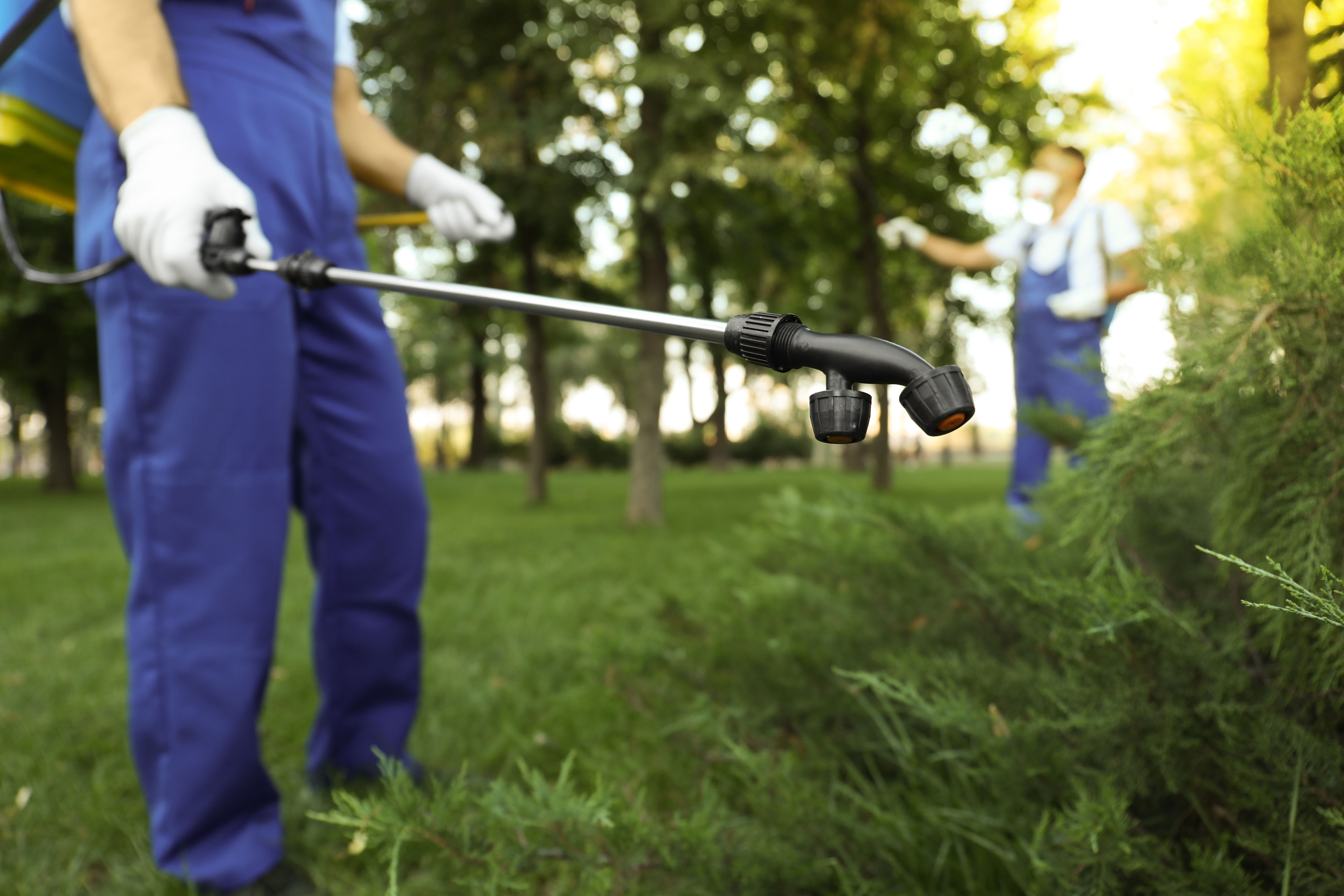
The use of herbicides was carefully planned and executed to minimize environmental impact. By using targeted applications, the county was able to control brush growth without harming surrounding vegetation. This approach required careful monitoring and expertise to ensure safety and effectiveness.
Biological Methods
In addition to mechanical and chemical methods, biological control was introduced. This involved the use of grazing animals, such as goats, to naturally reduce brush levels. This environmentally friendly method not only helped control brush but also enriched the soil through natural fertilization.

Community Involvement
Community involvement played a crucial role in the success of the brush control program. Local workshops and training sessions were organized to educate landowners about sustainable practices. By fostering a sense of ownership and responsibility, the county ensured long-term maintenance of the controlled areas.
Results and Impact
The comprehensive approach to brush control in Johnston County has yielded impressive results. The land is now more productive, with increased agricultural output and improved habitats for local wildlife. The reduction in brush has also decreased the risk of wildfires, further protecting the community and environment.
Lessons Learned
This case study highlights the importance of a strategic and integrated approach to land management. By combining various methods and involving the community, Johnston County has set a benchmark for successful brush control. These practices can serve as a model for other regions facing similar challenges.