
Case Study: Successful Land Transformation in Johnston County


Introduction
Johnston County has long been a thriving agricultural hub, but recent efforts have transformed portions of its land into models of sustainable development. This case study explores the successful transformation of land in Johnston County, highlighting key strategies and outcomes.
Background
The project began with a vision to enhance land productivity while ensuring environmental sustainability. Johnston County, known for its fertile soil, had areas that were underutilized and ripe for development. Local authorities partnered with environmental experts to create a comprehensive plan.

Identifying the Challenges
The initial challenges included soil degradation, water management issues, and a need for modern farming techniques. Stakeholders conducted a thorough analysis to identify these issues and developed tailored solutions to address them.
Strategies for Transformation
The transformation strategy was multi-faceted, focusing on sustainable farming, infrastructure improvement, and community engagement. The following approaches were integral to the project’s success:
- Soil Rehabilitation: Implementing crop rotation and organic farming techniques to restore soil health.
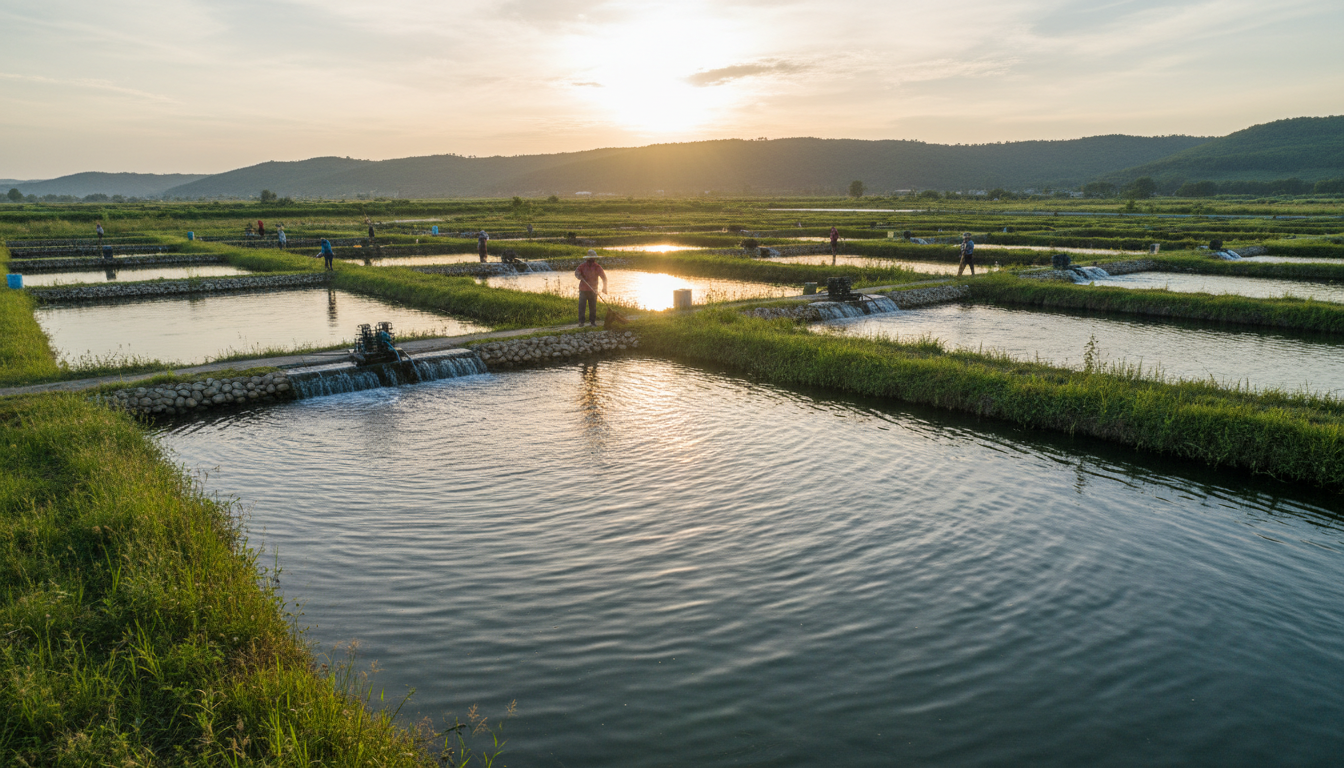
- Water Management: Installing efficient irrigation systems to optimize water use.
- Technological Integration: Introducing smart farming tools to enhance productivity.
Community Involvement
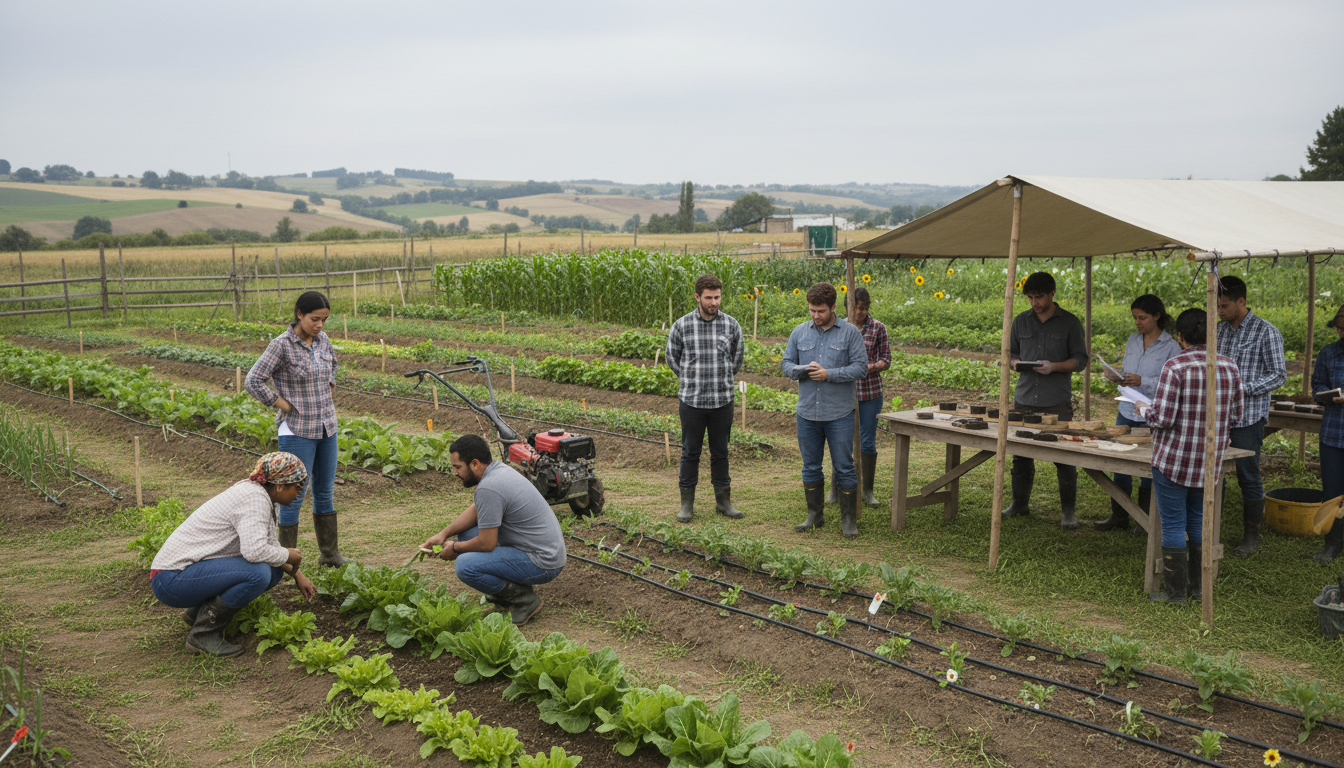
Community involvement was crucial. Workshops and training sessions were organized to educate local farmers on sustainable practices. Their active participation ensured the adoption of new techniques and fostered a sense of ownership.
Outcomes and Benefits
The transformation project yielded significant results, including increased crop yields and improved soil quality. Farmers reported a 30% increase in production, while water usage decreased by 20% due to efficient systems.
Environmental Impact
Beyond economic benefits, the project had a positive environmental impact. Biodiversity increased, and carbon emissions were reduced, aligning with global sustainability goals.
Conclusion
The land transformation in Johnston County serves as a blueprint for other regions aiming to balance agricultural productivity with environmental stewardship. Through strategic planning and community collaboration, the project demonstrates that sustainable development is both achievable and beneficial.