
DIY Brush Control: Safe and Effective Techniques for Homeowners


Managing overgrown brush on your property can be a daunting task. However, with the right techniques and tools, homeowners can tackle this challenge safely and effectively. In this guide, we’ll explore various methods for DIY brush control, ensuring your yard remains neat and manageable.
Understanding the Importance of Brush Control
Brush control is crucial not only for aesthetic purposes but also for safety and environmental reasons. Overgrown brush can harbor pests and increase the risk of wildfires. By keeping your property clear, you contribute to a safer and more visually appealing environment.

Manual Brush Clearing Techniques
Tools You’ll Need
Before you start, gather the necessary tools. Essential items include:
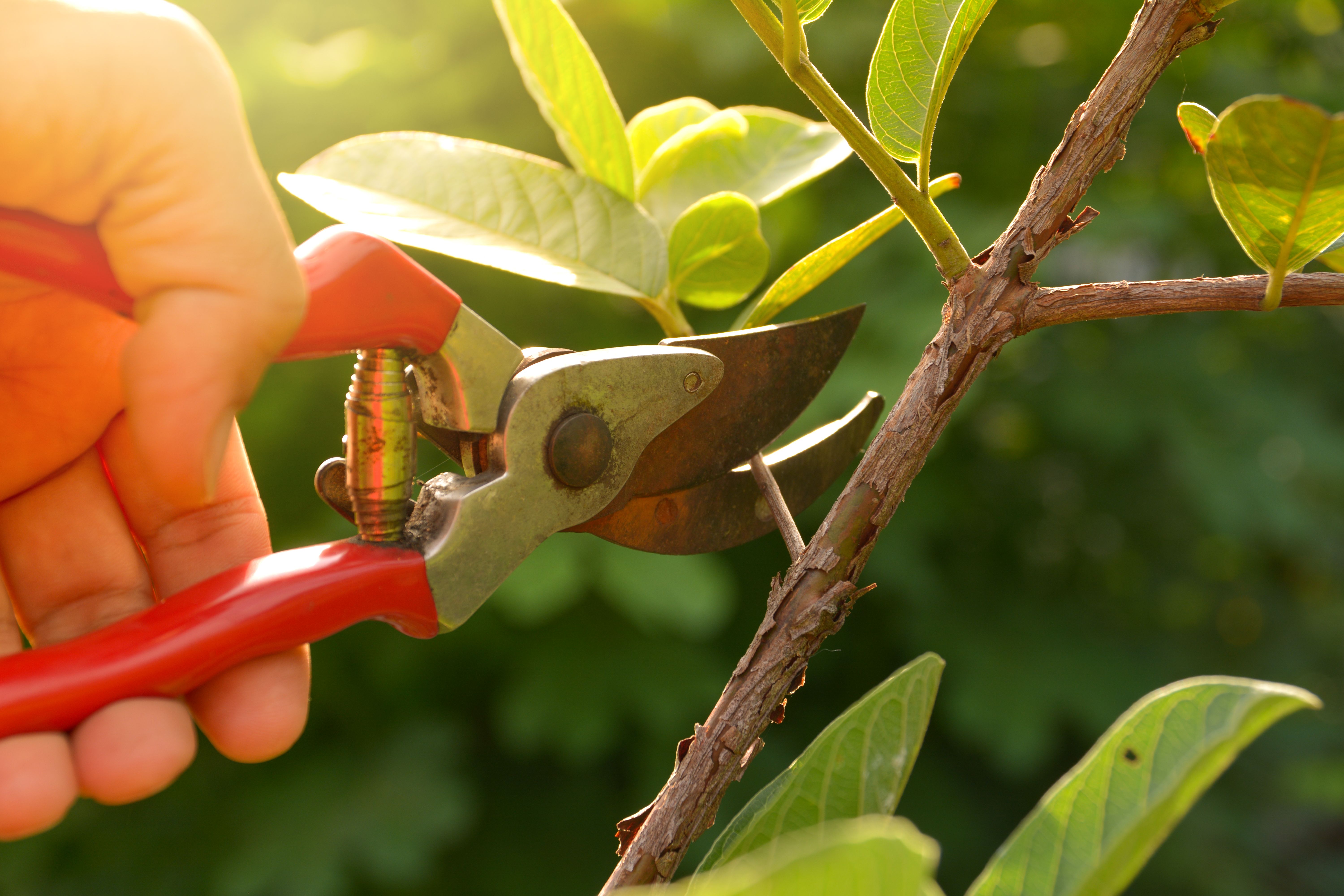
- Pruning shears
- Hand saws
- Loppers
- Rake
Each tool serves a specific purpose, so having a variety ensures you can handle different types of vegetation efficiently.
Step-by-Step Manual Clearing
1. Start by identifying the area you wish to clear and plan your approach.
2. Use pruning shears and loppers for smaller branches and brush.
3. For thicker branches, employ a hand saw.
4. Rake the cleared area to remove debris.
Mechanical Methods for Larger Areas
If you’re dealing with a larger area, manual methods might not be sufficient. In these cases, mechanical solutions can save time and effort.
Using a Brush Cutter
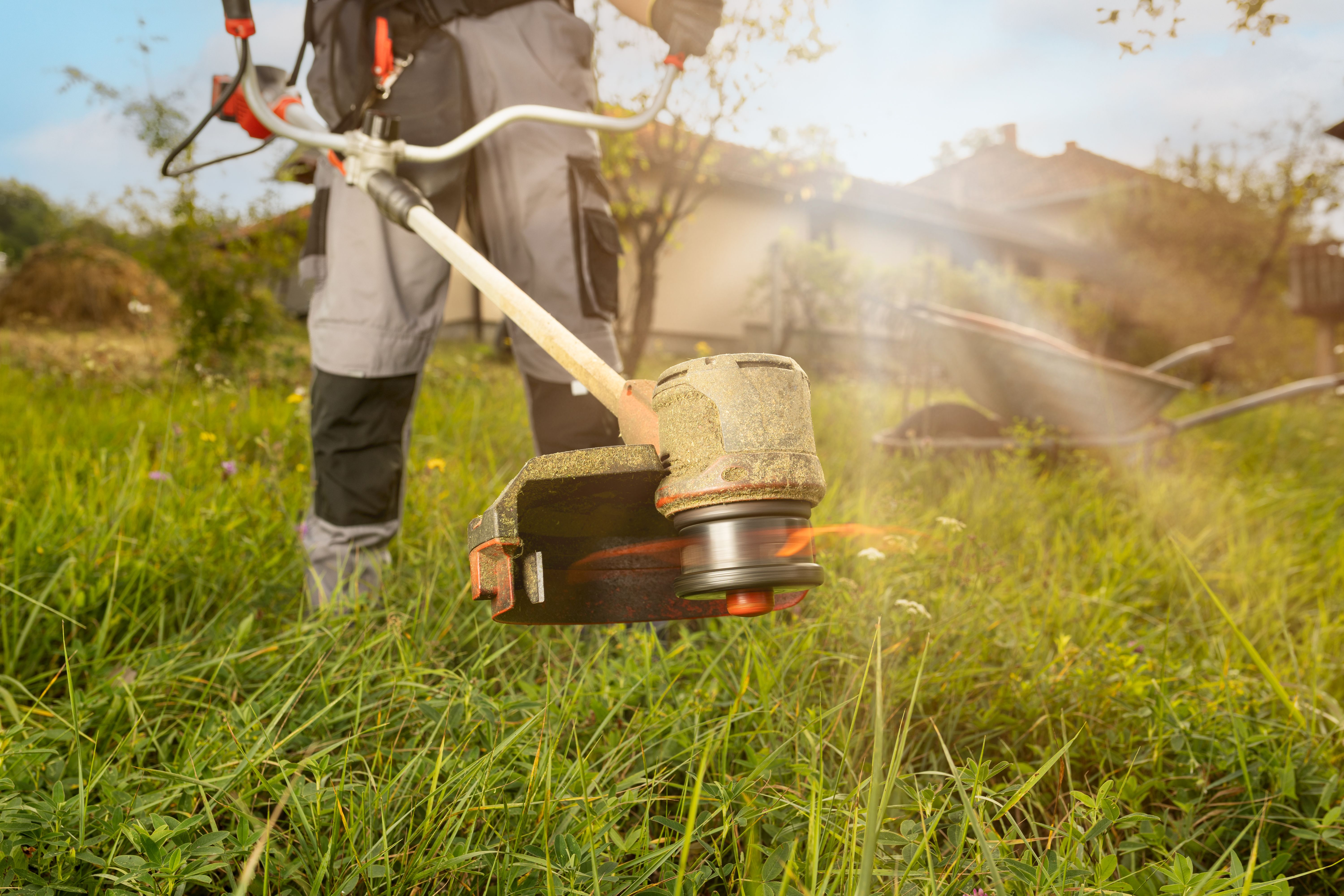
A brush cutter is a powerful tool for tackling dense vegetation. It can handle thick brush and small trees, making it ideal for larger properties.
When using a brush cutter, always wear protective gear to prevent injury. Follow the manufacturer’s instructions for safe and effective operation.
Sustainable Brush Management
Composting and Mulching
Instead of discarding the cleared brush, consider composting or mulching it. This not only reduces waste but also enriches your soil.
Shred the brush into smaller pieces and use it as mulch around your garden. This helps retain moisture and suppresses weeds.
Replanting and Landscaping
Once the brush is cleared, think about replanting with native plants. This encourages biodiversity and can prevent future overgrowth.
Consider designing a landscape that requires minimal maintenance and complements your home’s aesthetic. This approach promotes a healthy ecosystem while keeping your yard looking its best.

Safety Tips for Brush Clearing
Brush clearing can be risky if not done properly. Here are some safety tips to keep in mind:
- Wear protective clothing including gloves, goggles, and sturdy boots.
- Be aware of your surroundings to avoid injuries from falling branches or hidden hazards.
- Ensure all tools are in good condition and used according to the instructions.
By following these guidelines, you can maintain a safe working environment and achieve effective brush control.
Tackling brush control on your own can be rewarding and beneficial for your property. With the right techniques and a bit of effort, homeowners can keep their yards safe and beautiful.