
How Seasonal Changes Affect Lot Clearing in North Carolina


Understanding the Impact of Seasonal Changes
In North Carolina, the changing seasons significantly affect lot clearing activities. From the lush growth of spring to the icy conditions of winter, each season presents unique challenges and opportunities. Understanding these variations is crucial for effective lot clearing and maintenance.
The state's diverse climate zones add complexity to the clearing process. While the coastal areas might experience milder winters, the mountainous regions can face harsh weather conditions. This geographical diversity necessitates tailored approaches for different areas.

Spring: A Time of Renewal and Growth
Spring is synonymous with growth, and in North Carolina, it brings a burst of vegetation. This season is ideal for lot clearing as the soil softens, making it easier to remove stumps and roots. However, the rapid growth of plants and trees can also mean more work to keep the land clear.
Clearing during spring requires vigilance. The increase in plant activity can lead to the quick spread of invasive species if not managed properly. Regular maintenance is key to ensuring that the cleared lot remains usable and free of unwanted vegetation.

Summer: Tackling Heat and Humidity
Summer in North Carolina is characterized by high temperatures and humidity, which can affect lot clearing operations. The heat can be taxing on workers and machinery, necessitating frequent breaks and equipment checks. Despite these challenges, summer offers extended daylight hours, allowing for longer working days.
One advantage of summer clearing is the dry conditions that make it easier to transport and dispose of debris. However, it's essential to manage the risk of heat-related illnesses and ensure the safety of all personnel involved.
Fall: Preparing for the Winter Months
Fall is a strategic time for lot clearing as it prepares the land for the upcoming winter. The cooler temperatures and reduced humidity make it a comfortable season for outdoor work. Additionally, the shedding of leaves provides a clearer view of the landscape, aiding in more precise clearing.
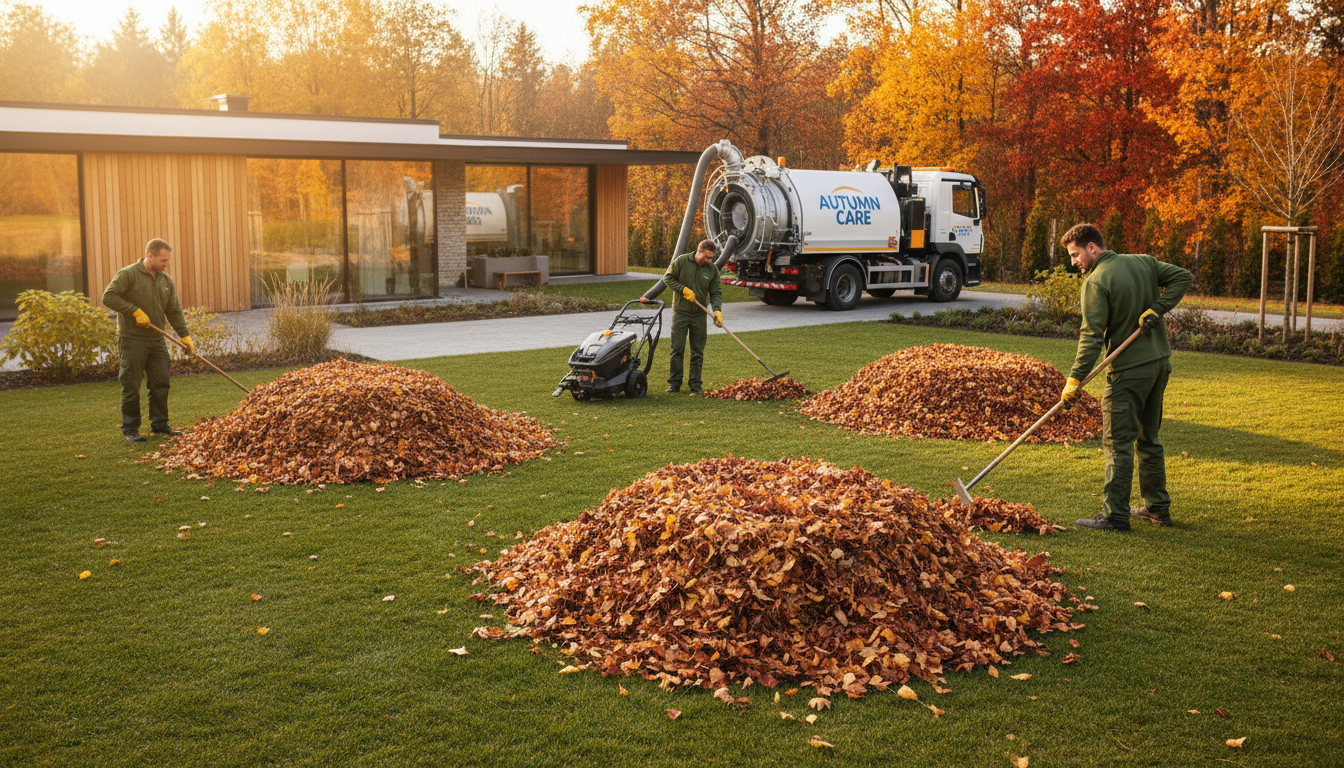
During fall, it’s important to focus on removing dead or weak trees that could pose dangers during winter storms. This proactive approach helps in minimizing potential hazards and maintaining the integrity of the cleared lot.
Winter: Overcoming Cold and Ice
Winter presents unique challenges for lot clearing in North Carolina. Snow and ice can hinder access to sites and complicate the clearing process. However, the frozen ground can support heavy machinery, making it easier to remove large trees without damaging the soil.
Proper planning and preparation are crucial during winter. Clearing teams must be equipped with the right tools and knowledge to handle icy conditions safely. This includes using specialized equipment and techniques to ensure the lot is cleared efficiently.

Conclusion: Adapting to Seasonal Changes
Understanding the impact of seasonal changes on lot clearing in North Carolina is essential for successful operations. By adapting strategies to align with the conditions of each season, lot clearing can be conducted more efficiently and safely.
Whether dealing with the rapid growth of spring or the icy challenges of winter, being prepared and informed ensures that lot clearing projects meet their goals while preserving the environment and safety of all involved.