
How to Choose Between Forestry Mulching and Traditional Land Clearing


Understanding the Basics
When it comes to land management, choosing the right method for clearing land is crucial. Two popular techniques are forestry mulching and traditional land clearing. Both have their advantages, but the right choice depends on your specific needs and circumstances. Understanding the differences can help you make an informed decision.
Forestry Mulching Explained
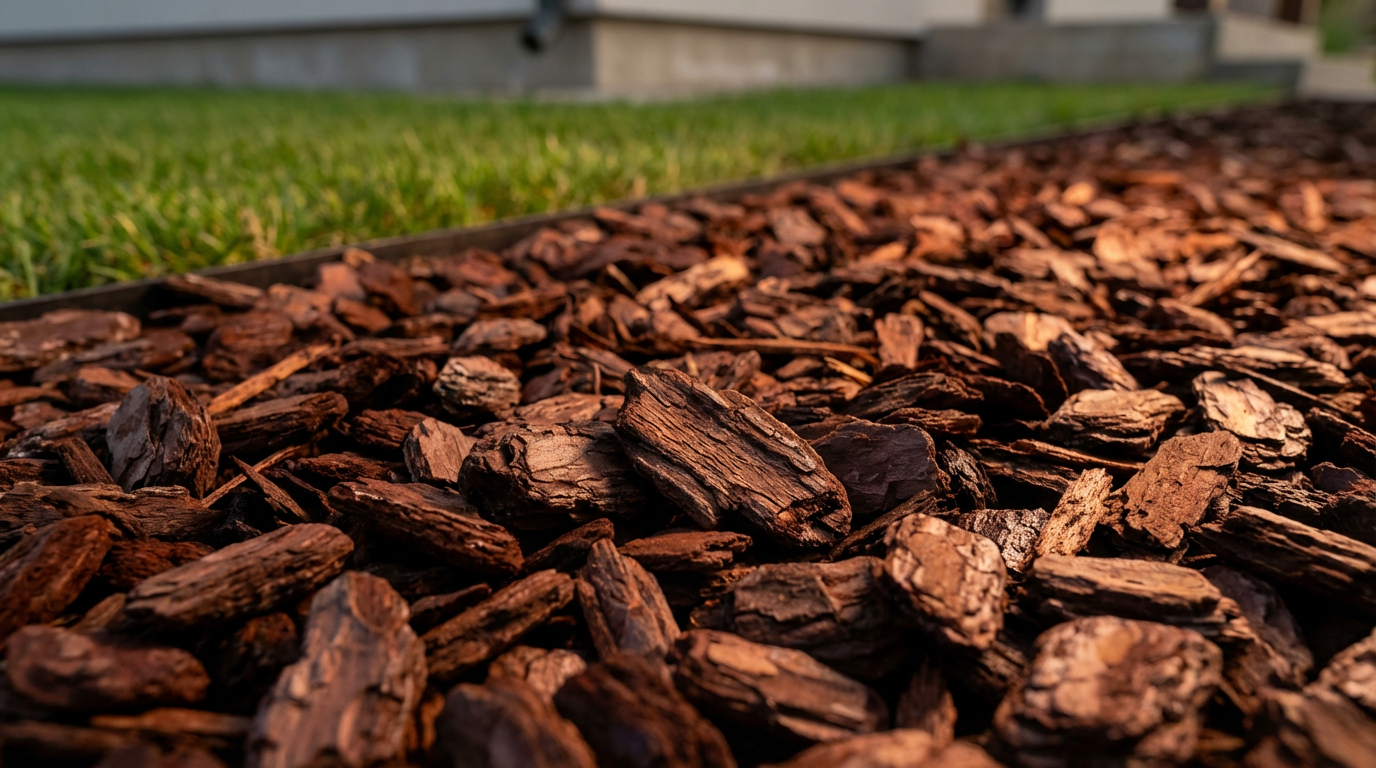
Forestry mulching involves using a single machine to cut, grind, and clear vegetation. This method is often favored for its efficiency and minimal environmental impact. The mulcher leaves behind a layer of mulch, which can decompose and enrich the soil.
Benefits of forestry mulching include reduced soil erosion and the ability to work on uneven terrain. It’s particularly effective for clearing underbrush and maintaining the health of the ecosystem.
Traditional Land Clearing Techniques
Traditional land clearing typically involves multiple steps, such as cutting down trees, removing stumps, and hauling away debris. This method might be necessary for large-scale projects where complete land transformation is required.
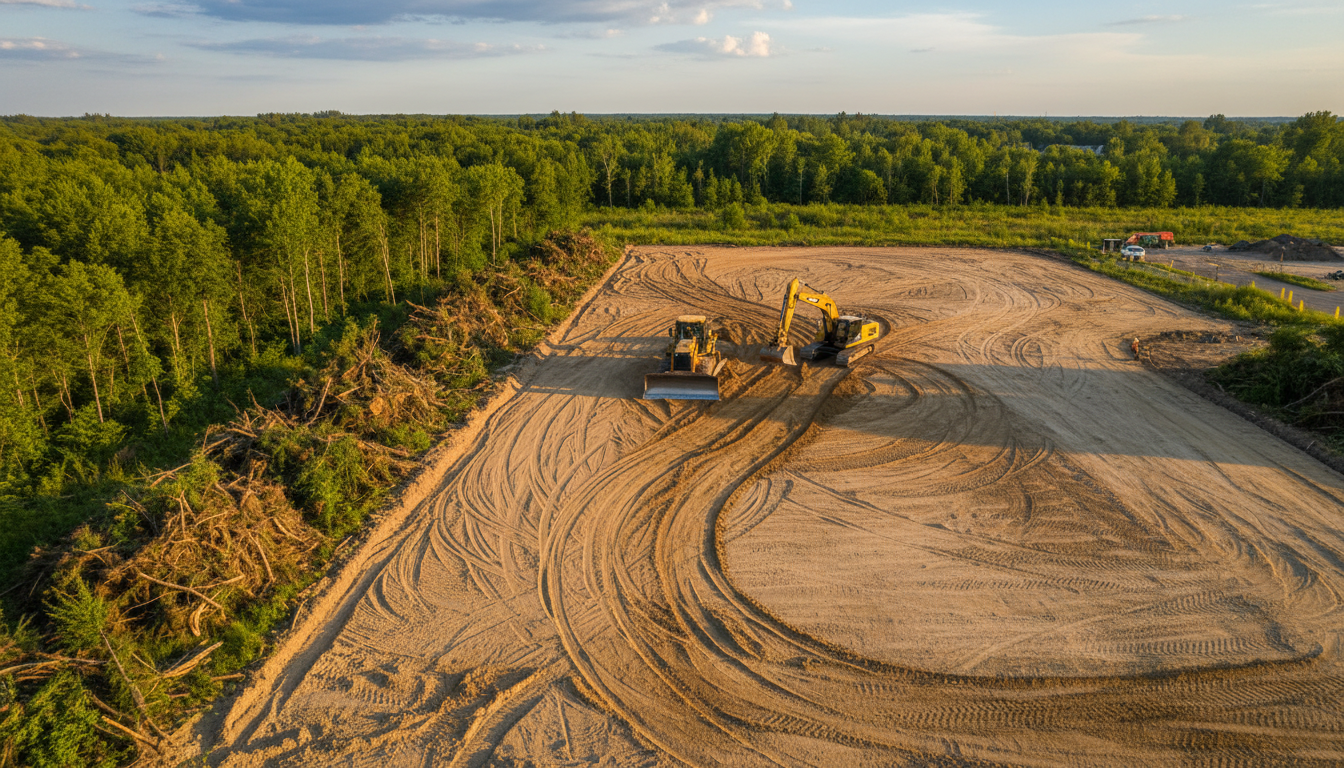
While traditional clearing is often more disruptive to the landscape, it is sometimes necessary for construction or large agricultural projects. It’s important to consider the environmental impact and potential costs involved.
Comparing Costs
Cost is a significant factor when choosing between forestry mulching and traditional land clearing. Forestry mulching is generally more cost-effective for smaller projects, as it requires less equipment and labor. However, traditional clearing might be more economical for extensive land development.
Environmental Impact
The environmental impact is another critical consideration. Forestry mulching is more sustainable, as it prevents erosion and promotes soil health. On the other hand, traditional clearing can lead to increased erosion and habitat destruction, which can be detrimental in sensitive areas.

Project Scale and Goals
Your project scale and goals will largely dictate the best method. For smaller projects focused on land maintenance or ecological preservation, forestry mulching is ideal. For larger projects requiring complete land transformation, traditional clearing might be unavoidable.
Final Decision
Ultimately, the choice between forestry mulching and traditional land clearing depends on your specific needs, budget, and environmental considerations. Consulting with a land management professional can provide further insight and help tailor the approach to your project’s requirements.