
How to Prepare Your Land for Seasonal Changes: A Local's Guide


As the seasons change, preparing your land becomes essential to maintain its health and productivity. Whether you're a seasoned gardener or a new homeowner, understanding the steps to take can make a significant difference. This guide will walk you through the necessary preparations for each season.
Understanding Your Local Climate
The first step in preparing your land is understanding the local climate. Different regions have unique weather patterns that influence how you should care for your land. Research the average temperatures, precipitation levels, and any extreme weather conditions in your area.
Local climate knowledge will help you select appropriate plants, plan your irrigation system, and anticipate any challenges like frost or drought.

Spring Preparations
Soil Testing and Enrichment
Spring is the perfect time to test your soil. Understanding the nutrient composition will guide you in adding the right fertilizers. You might need to add organic matter like compost to enrich the soil and improve its structure.
- Conduct a soil test to check pH levels.
- Apply organic fertilizers as needed.
- Remove any weeds or debris left from winter.

Planting and Mulching
Once the soil is prepped, you can start planting. Choose plants that thrive in your local climate. Mulching is also crucial as it helps retain moisture and suppress weeds.
Consider using natural mulch like straw or wood chips for a more environmentally friendly option.
Summer Maintenance
Watering Strategies
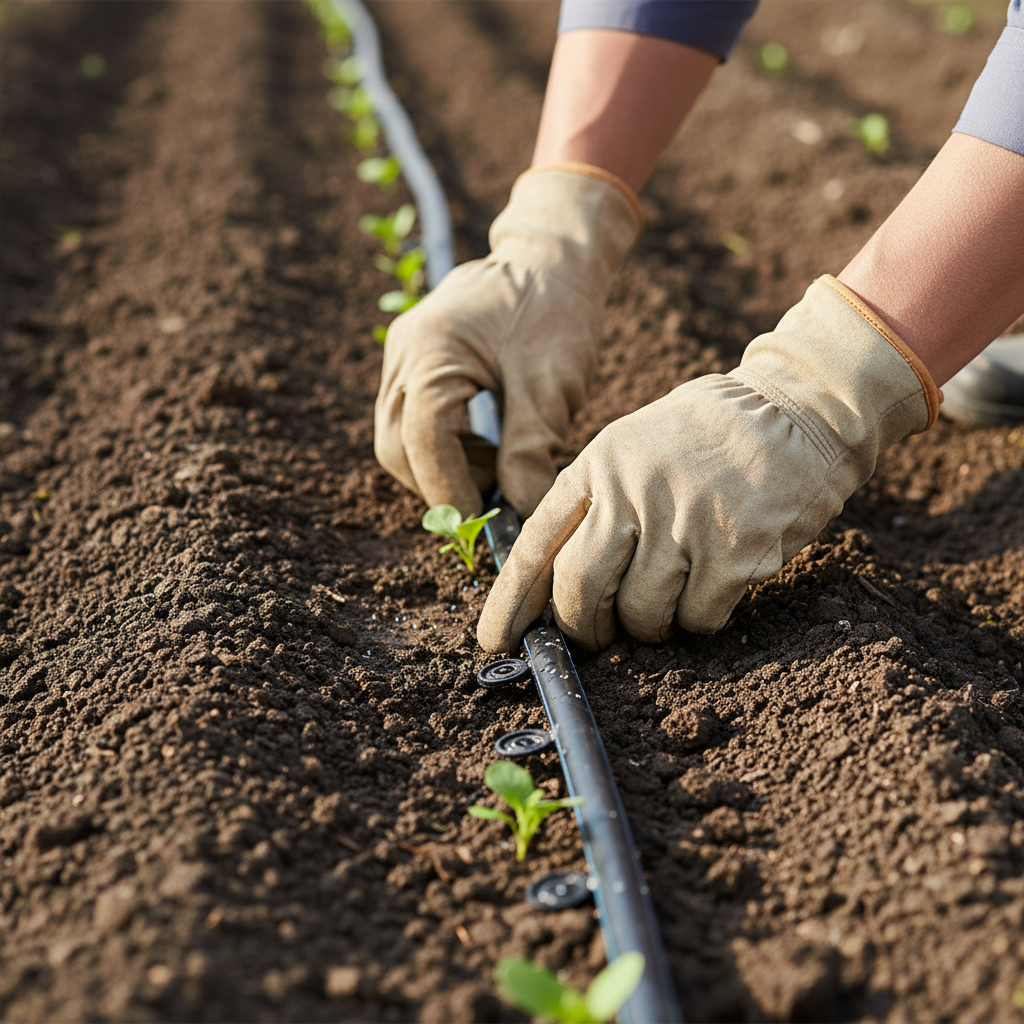
During summer, efficient watering is key. Early morning or late evening watering reduces evaporation. Drip irrigation systems can be an excellent investment for conserving water while ensuring plants receive adequate moisture.
Pest and Disease Control
Summer can bring pests and diseases, so regular monitoring is essential. Use natural pest control methods whenever possible, such as introducing beneficial insects or using organic sprays.
Autumn Preparations
Leaf Management
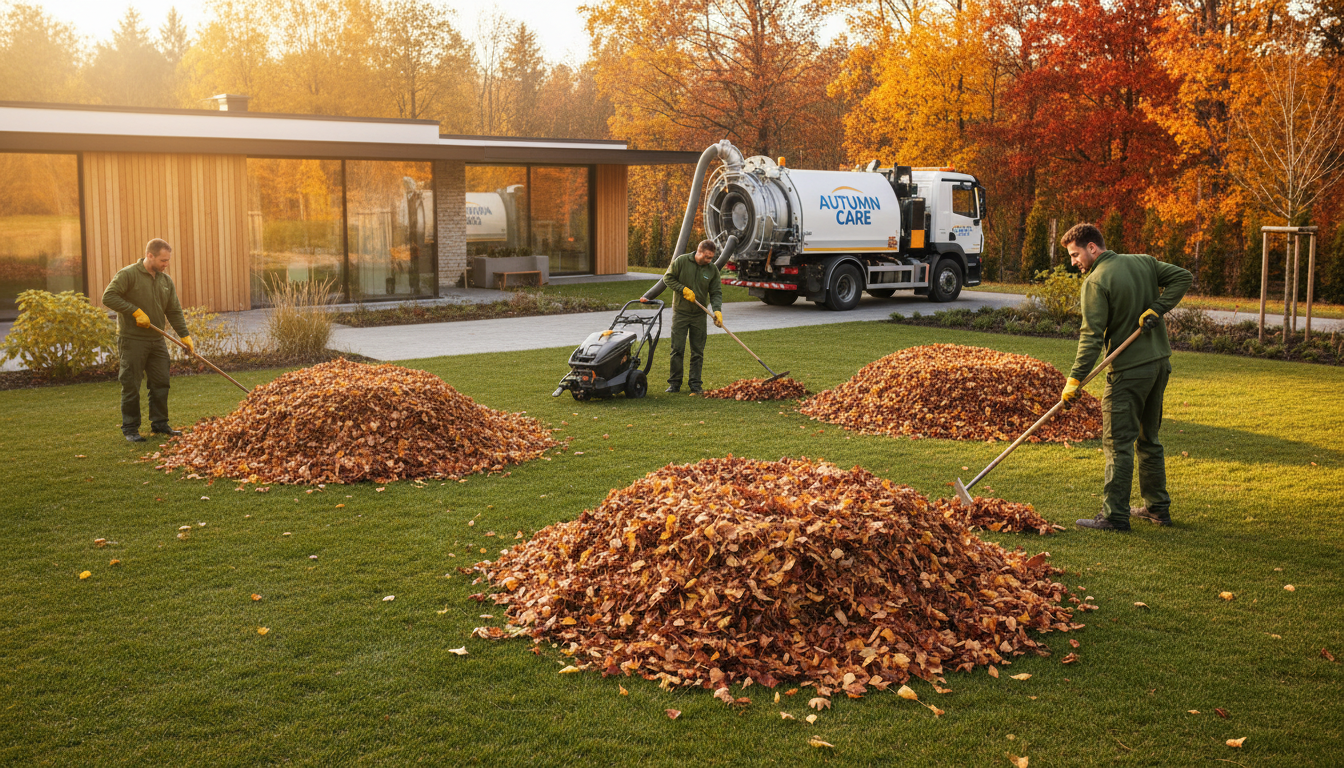
Autumn leaves can be both a nuisance and a resource. Consider creating leaf mold by collecting leaves and letting them decompose. This creates a rich, organic material that can be used in your garden.
Preparing for Winter
As temperatures drop, it's time to protect sensitive plants and prepare for winter. Insulate young trees and shrubs with burlap or other protective materials. Drain and store hoses and irrigation equipment to prevent damage from freezing.
By following these steps, you can ensure your land remains healthy and productive year-round. Embrace each season's unique challenges and opportunities, and your landscape will thrive.