
Seasonal Land Management: Why Winter is Ideal for Mulching


The Importance of Seasonal Land Management
As the seasons change, so do the needs of our landscapes. Proper land management is crucial in ensuring the health and vitality of the soil and plants. One essential practice in seasonal land management is mulching, particularly during the winter months. While mulching is beneficial year-round, winter presents unique advantages that can enhance the effectiveness of this practice.

Protecting Soil and Roots
During winter, the ground is subjected to freezing temperatures that can harm plant roots and soil structure. Mulching acts as a protective blanket, insulating the soil and maintaining a more stable temperature. This insulation is vital for preventing root damage and ensuring that plants can survive harsh winter conditions.
Mulch also helps in retaining soil moisture, which is often lost due to cold, dry winds. By conserving moisture, mulch ensures that plants have a better chance of thriving once spring arrives.
Preventing Soil Erosion
Winter weather can lead to soil erosion, especially in areas prone to heavy snowfall or rain. Mulch provides a physical barrier that helps anchor the soil in place. This protection is crucial during the winter months when the absence of plant cover increases the risk of soil being washed or blown away.
Suppressing Weeds
Weeds can be a persistent problem, even during the colder months. Mulching effectively suppresses weed growth by blocking sunlight and preventing weed seeds from germinating. This control is especially beneficial in winter, as it reduces the competition for essential nutrients between weeds and desired plants.
Choosing the Right Mulch
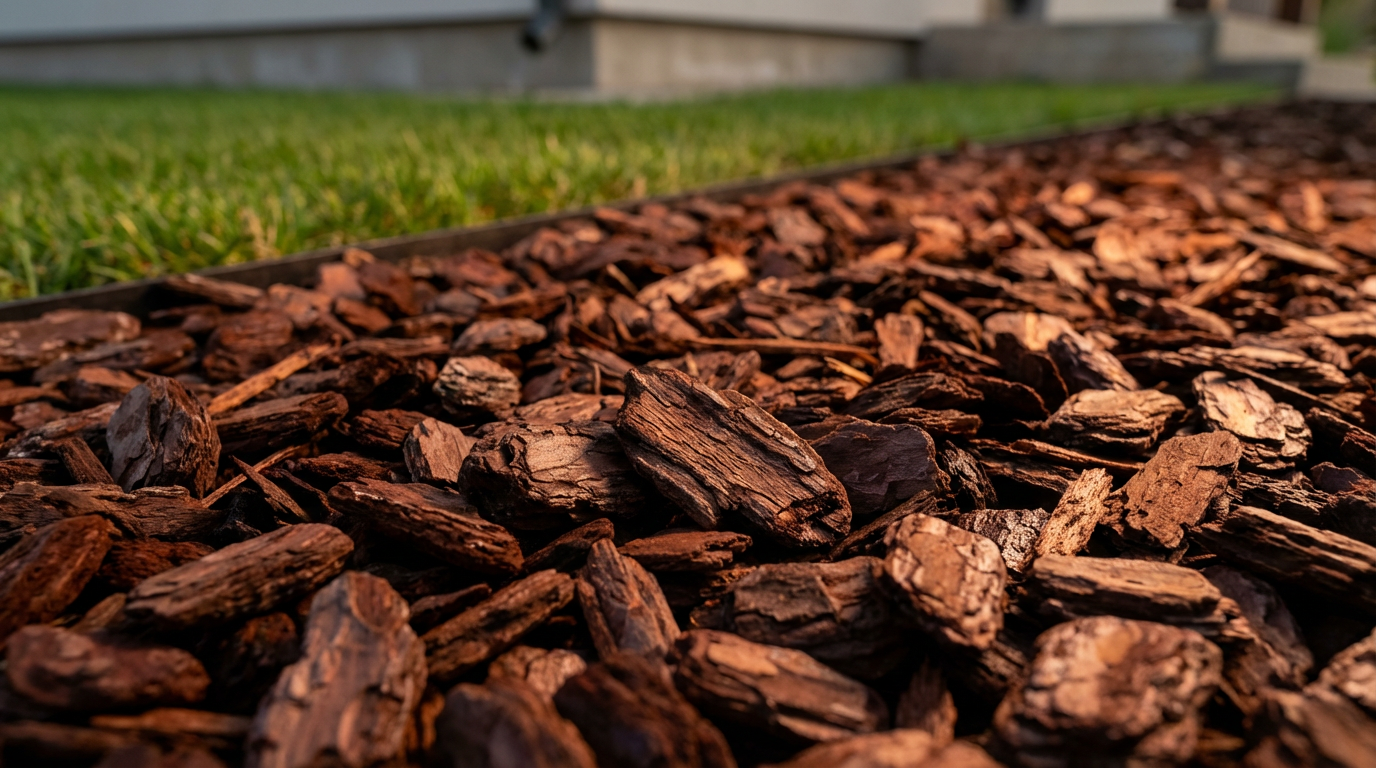
Selecting the appropriate type of mulch is an important consideration. Organic mulches, such as wood chips, straw, and shredded leaves, are excellent choices for winter mulching. They decompose over time, adding valuable nutrients back into the soil.
Inorganic mulches like gravel or landscape fabric can also be used, but they do not provide the same nutrient benefits. Consider the specific needs of your landscape when selecting the right mulch for winter application.
Application Tips for Winter Mulching
Proper application of mulch is key to maximizing its benefits. Follow these steps for effective winter mulching:
- Apply mulch after the first hard frost to ensure pests are not trapped in the soil.
- Maintain a layer of mulch that is 2-4 inches thick to provide adequate insulation.
- Keep mulch away from the base of trees and shrubs to prevent rot and pest infestations.
Benefits Beyond Winter
The advantages of winter mulching extend beyond the cold months. By maintaining soil health and structure throughout the winter, mulch prepares your garden for a more robust spring growth. The nutrients added by decomposing mulch enhance soil fertility, leading to healthier plants and more bountiful yields.
In conclusion, winter is an ideal time for mulching, offering numerous benefits that safeguard your landscape. By incorporating mulching into your seasonal land management practices, you ensure the long-term health and vitality of your garden.